
Your Gut: The Second Brain
Discover how gut bacteria control digestion, mood, immunity, cravings, and even sleep quality. Learn the foods that nourish your microbiome from within and understand why your gut is truly your second brain.
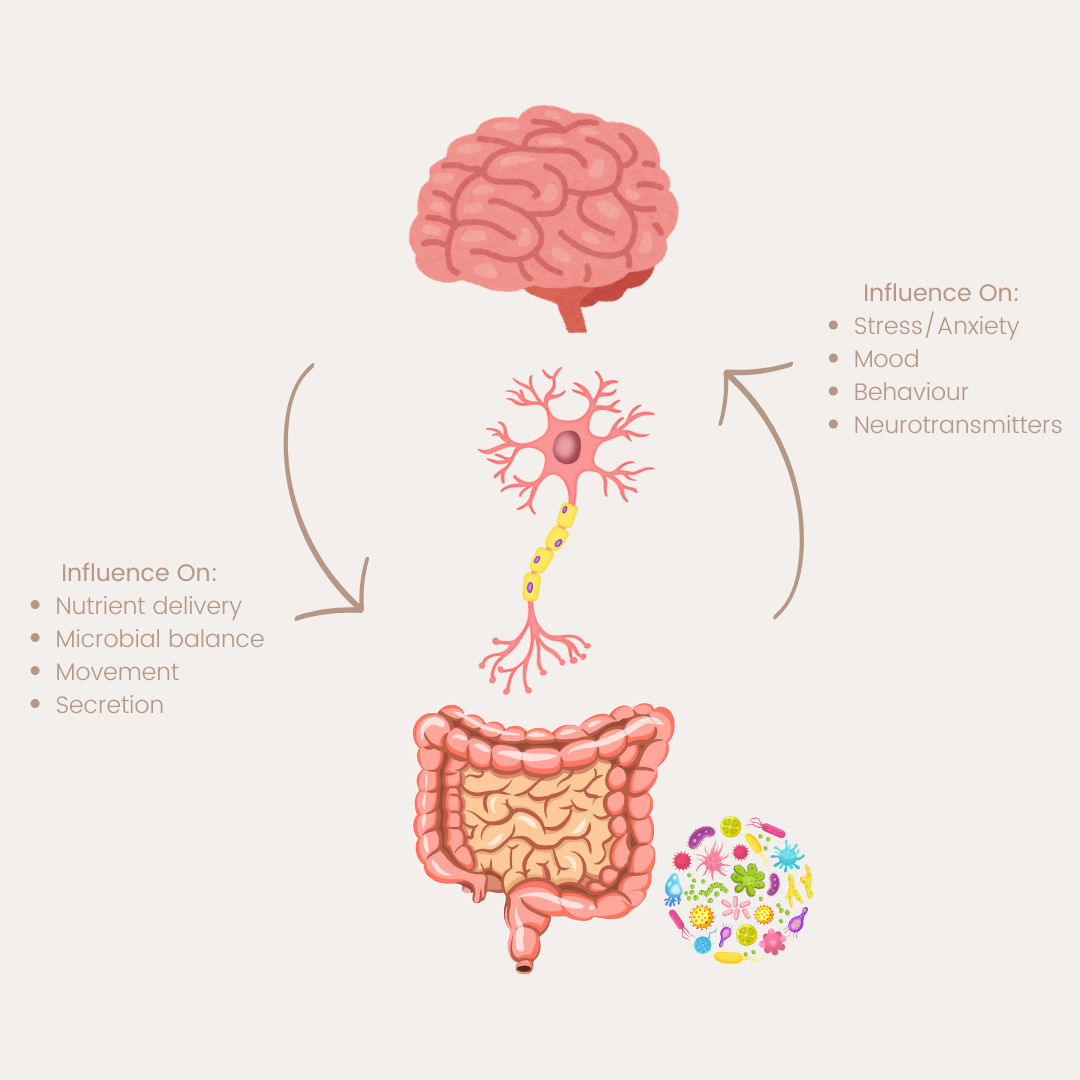
Inside your abdomen lives one of the most intelligent systems in the human body — the gut. Often referred to as the second brain, the gut contains over 500 million neurons, its own independent nervous system, and more than 100 trillion microorganisms that communicate constantly with your brain. This communication is so powerful that your gut influences emotions, energy levels, immunity, cravings, decision-making, and even the quality of your sleep.
Modern research and ancient Ayurveda both emphasize the gut as the foundation of health. Ayurveda describes the digestive fire, agni, as the core of vitality, immunity, and mental clarity. When the gut is aligned and nourished, the entire body and mind function smoothly. But when the gut falls out of balance, everything from mood to hormones to skin health begins to shift.
This article takes you deep into the gut-brain connection, explains the science behind your microbiome, and explores how your daily food choices shape your emotional and physical wellbeing.
Your Gut and Brain Talk Constantly
The gut and brain communicate through a bidirectional network called the gut–brain axis. This system uses hormones, neurotransmitters, immune signals, and even electrical impulses to send information back and forth. The vagus nerve – one of the largest nerves in the body – acts like a superhighway between your digestive system and your brain, carrying signals every second.
When your gut is healthy, it sends calming, balanced signals that support focus, emotional stability, and a better stress response. But when the gut is inflamed, imbalanced, or overloaded with processed foods, it sends distress signals that can manifest as anxiety, fatigue, mood swings, or digestive discomfort.
The Microbiome: Your Inner Ecosystem
The microbiome is a living universe inside your intestines. It consists of bacteria, fungi, viruses, and beneficial microbes that perform thousands of tasks every minute. A balanced microbiome supports digestion, immunity, metabolism, neurotransmitter production, and detoxification. But an unhealthy microbiome can trigger inflammation, cravings, anxiety, and digestive disorders.
Healthy, Balanced Microbiome
Beneficial bacteria break down fiber, produce vitamins like B12 and K2, and support hormone regulation. They strengthen the gut lining, help maintain a stable mood, and reduce inflammation. A diverse microbiome improves immunity, metabolism, and emotional resilience.
In Ayurveda, this state reflects strong agni and balanced doshas, allowing life-energy (prana) to flow freely throughout the body.
Imbalanced Gut Microbiome
Too much processed food, antibiotics, stress, and lack of fiber allow harmful bacteria to multiply. This results in bloating, acidity, weakened immunity, fatigue, sugar cravings, and inflammation. The gut lining becomes more permeable, allowing toxins to enter the bloodstream.
Ayurveda describes this state as the accumulation of ama, a toxic residue formed from weak or incomplete digestion.
How Your Gut Controls Mood and Emotions
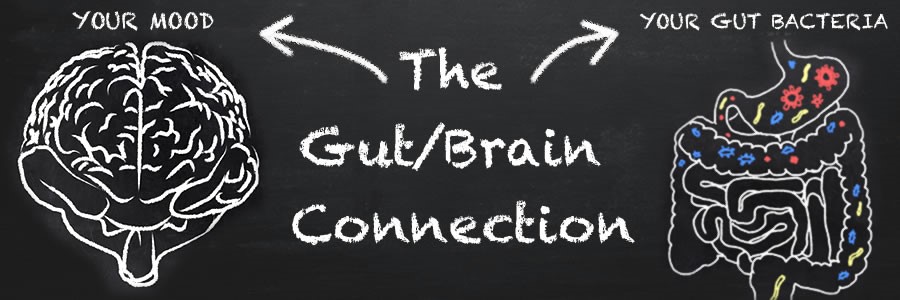
Your gut bacteria directly influence the production of serotonin, dopamine, and GABA – the neurotransmitters governing happiness, motivation, relaxation, and stress response. When your microbiome is balanced, these signals flow smoothly, resulting in emotional stability. But when the gut is irritated or inflamed, these chemicals become disrupted, leading to mood swings, irritation, anxiety, and low emotional resilience.
Ayurveda explains this through the interplay of sattva (clarity), rajas (restlessness), and tamas (heaviness). A healthy gut cultivates sattva, supporting mental clarity and calmness, while an unhealthy gut increases rajas and tamas, leading to emotional turbulence.
Inflammation and the Gut–Brain Link
When harmful bacteria or processed foods irritate your gut lining, the body triggers an inflammatory response. This inflammation does not stay isolated – it travels through the bloodstream and reaches the brain, affecting mood, focus, and cognitive function. Over time, this can contribute to brain fog, irritability, memory issues, and heightened stress.
Ayurveda describes this as excess internal heat and toxin buildup. When heat rises and ama accumulates, it disrupts mental clarity, digestive strength, and overall vitality.

Foods That Heal and Nourish Your Gut
The microbiome thrives on natural, fiber-rich, unprocessed foods that support good bacteria. These foods restore balance, reduce inflammation, and improve emotional stability. Your gut responds immediately to dietary shifts – even a few days of nourishing foods can make a noticeable difference in energy, mood, and digestion.
Top Gut-Healing Foods:
- Fermented foods: yogurt, kefir, sauerkraut, idli, dosa, kimchi
- High-fiber foods: vegetables, whole grains, nuts, seeds
- Prebiotics: garlic, onions, bananas, oats
- Healthy fats: ghee, olive oil, coconut
- Ayurvedic herbs: ginger, cumin, fennel, turmeric, triphala
Final Thoughts: Heal the Gut, Heal the Mind
Your gut is far more than a digestive organ – it is a powerful intelligence center that shapes how you feel, think, sleep, and function every day. When the gut is balanced, the mind becomes calmer, immunity becomes stronger, digestion becomes smoother, and your overall vitality rises.
Whether you want more energy, better focus, improved digestion, or emotional stability, the journey always begins with your gut. Nourish it with natural foods, and it will nourish every aspect of your life in return.