
Why Modern Diets Fail
A deep scientific and Ayurvedic look at why most modern eating plans collapse despite strong motivation. Explore how hidden hormonal shifts, emotional cravings, weak digestive fire, food addiction patterns, and irregular eating rhythms silently break even the most sincere attempts at healthy transformation.

Many people begin a diet with serious commitment. They choose clean meals, reduce sugar, avoid heavy snacks, and hope to transform their body and mind with disciplined eating. For the first few days everything feels promising. Energy rises, motivation stays high, and the plan appears simple and achievable. But as the days go on, something begins to change within the body. Hunger rises at unusual times, energy drops without warning, moods fluctuate, and cravings suddenly become louder than willpower. This is where most people slip back into old patterns. The problem is not weak discipline. The real issue is that modern food habits create internal imbalance that no short term diet can easily solve.
This article explains why modern diets collapse from a biological, emotional, digestive, and Ayurvedic perspective. When you understand these internal forces, you realize that success is not about stricter rules but about restoring natural balance inside the body so that healthy choices become effortless.
The Hormonal Pull That Breaks Most Diets
Hunger is not controlled only by the stomach. It is guided by a delicate network of hormones such as leptin, ghrelin, insulin, cortisol, and thyroid regulators. When these hormones work together, appetite stays steady, energy remains balanced, and food choices feel natural. But modern eating patterns filled with refined sugar, irregular meals, processed snacks, and emotional eating disturb this delicate network.
Once the hormones shift out of rhythm, the body starts sending signals that overpower logical decision making. The mind may want to continue the diet, but the hormones demand quick comfort foods. This inner conflict is the reason most people blame themselves even though the root problem is biological.
The Emotional Side of Eating
Food is one of the strongest emotional regulators in human life. It comforts stress, fills emotional gaps, creates a sense of reward, and calms the mind after intense or tiring experiences. Modern life places enormous pressure on the mind. This naturally leads the brain to seek soothing foods that release a quick pleasure response.
When people begin a diet without addressing stress levels or emotional patterns, the brain eventually pushes them back toward foods that create temporary relief. This is why cravings appear even when the stomach is full. The craving does not come from hunger. It comes from emotional needs that are not being met through healthy channels.

Broken Digestive Fire and Slow Metabolism
In Ayurveda, the strength of digestion depends on the fire within the stomach and small intestine known as Agni. When Agni burns steadily, food breaks down smoothly, nutrients move effectively into the tissues, and metabolic functions stay vibrant. Modern diets usually begin without supporting Agni. As a result the body cannot extract nourishment efficiently, and the person feels tired, heavy, or mentally foggy even when eating clean meals.
Weak Agni creates a buildup of undigested residue known as Ama. This sticky internal waste clogs channels within the body and slows metabolism. When Ama accumulates, no diet works as expected. The person may follow clean eating guidelines yet still struggle with low energy, cravings, or slow progress.
The Silent Problem of Meal Timing
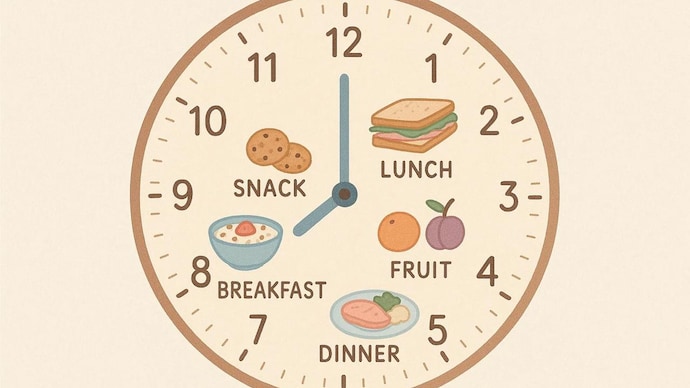
Modern life has disrupted natural eating rhythms. Many people skip breakfast, eat lunch at random times, snack throughout the day, and consume heavy meals late at night. This irregular pattern confuses the body because the digestive system works with an internal biological clock. When meals do not match the natural rhythm, the digestive fire weakens and the metabolism becomes unstable.
Most diets focus only on what to eat, not when to eat. Without stable timing, the body cannot predict when nourishment will arrive. This creates stress inside the digestive system and makes the person more likely to crave quick energy foods during unexpected hunger spikes.
Why Willpower Alone Cannot Fix the Problem
Willpower is a mental force. But eating involves hormones, emotions, gut bacteria, brain chemistry, and digestive patterns that operate far deeper than conscious effort. Expecting willpower to fight all these forces is like expecting a small candle to hold back a strong wind. It works for a moment but eventually the natural forces take over.
This is why people often feel guilty or disappointed when they cannot maintain a diet. But the truth is that willpower was never meant to do this job. Real change comes when the internal environment is balanced so the body naturally desires nourishing foods.
Final Thoughts: Diets Fail When They Work Against Nature
A successful eating plan is one that works with the body rather than against it. When hormones, emotions, digestive fire, gut bacteria, and meal timing are aligned, healthy eating becomes effortless. There is no struggle because the body feels safe, supported, and nourished. When these internal systems are out of balance, no diet can last long.
Instead of chasing strict rules, the goal should be to create a lifestyle that strengthens natural rhythm. When the body is in harmony, food becomes a partner in healing rather than a source of conflict. The path forward is gentle, natural, and rooted in understanding how the body communicates from within.