
Food and Emotions
A deep exploration of how mood, stress levels, emotional triggers, and hormone responses shape hunger, cravings, and daily food choices. Discover how your inner emotional climate communicates with your body and influences what you reach for on your plate.
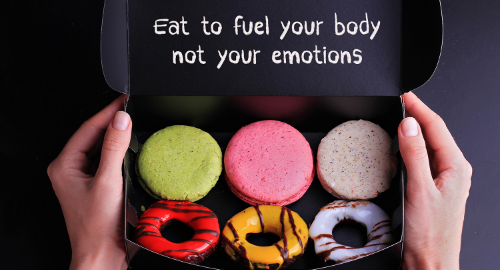
Food and emotion share a very close relationship. What we feel shapes our food choices, and what we eat shapes our emotional state. Many people reach for sweet, salty, or comforting foods during emotional intensity because the mind seeks a temporary feeling of safety or reward. The body releases natural pleasure chemicals when such foods are eaten, which can create a repeating cycle if emotional needs remain unmet.
Ayurveda has always explained that emotions influence digestion and appetite. When the mind is calm, the digestive fire remains steady. When stress rises, digestion slows and cravings shift. Modern science agrees that hormones like cortisol, serotonin, and dopamine play a strong role in both mood and hunger regulation. Understanding this connection is the first step toward creating a balanced and mindful relationship with food.
Why Emotions Influence Food Choices
Emotional states create specific physical responses. Stress increases appetite for quick comfort foods, sadness may increase or reduce hunger, and happiness promotes more balanced choices. This happens because emotional shifts change hormone levels that control appetite, reward seeking behavior, and digestive strength. The body tries to restore balance by demanding foods that offer temporary pleasure or quick energy.
Ayurveda teaches that emotional turbulence weakens digestive fire and increases internal imbalance. When the mind becomes unsettled, the body demands foods that create grounding or stimulation. This is why some people crave sweets during sadness or crunchy foods during frustration. The body expresses emotional needs through food impulses.

Common Emotional Triggers and Their Food Connections
Stress and Overeating
Stress increases cortisol which intensifies cravings for energy rich foods. These foods provide a short sense of comfort but leave the body feeling heavy and dull later. This creates a repeating cycle where stress leads to eating and eating leads to more emotional discomfort.
Ayurveda explains that stress increases internal heat which weakens digestive balance and raises cravings for grounding foods like sweets and fried items.
Sadness and Sweet Cravings
Feelings of sadness lower serotonin levels. Sweet foods momentarily increase serotonin which is why many people reach for sugary items during emotional lows. However, this comfort is temporary and can lead to emotional fatigue once blood sugar drops again.
Ayurveda views sadness as a heavy emotional state that increases the need for warm and comforting foods, often resulting in more frequent sweet cravings.
Anger and Crunchy Food Craving
Anger creates a feeling of internal pressure. Crunchy foods release this tension because the physical action of chewing helps the body discharge built up energy. This is why people often reach for chips or hard snacks when feeling irritated.
Ayurveda associates anger with increased internal heat which leads to cravings for cooling or grounding foods.
Boredom and Mindless Eating
Boredom creates a restless mind that seeks stimulation. Eating becomes an easy way to fill this emotional space even when hunger is not present. This can weaken digestion and create irregular eating patterns over time.
Ayurveda recommends engaging the senses in calming activities to reduce emotional eating driven by boredom.
How Food Shapes Emotional State
Food changes mood in many ways. Natural whole foods support stable energy and clearer thinking, while processed foods create emotional swings through irregular blood sugar and nervous system disturbance. Healthy fats help the brain function smoothly, fresh fruits brighten mood, and spices like cinnamon and ginger promote warmth and comfort. Even the way food is cooked influences emotional stability.
Ayurveda says that food carries emotional energy. Freshly cooked meals create feelings of stability and satisfaction while stale or processed foods reduce vitality and clarity. When you eat with attention and a calm mind, your body absorbs nourishment more effectively and your emotions become more stable.
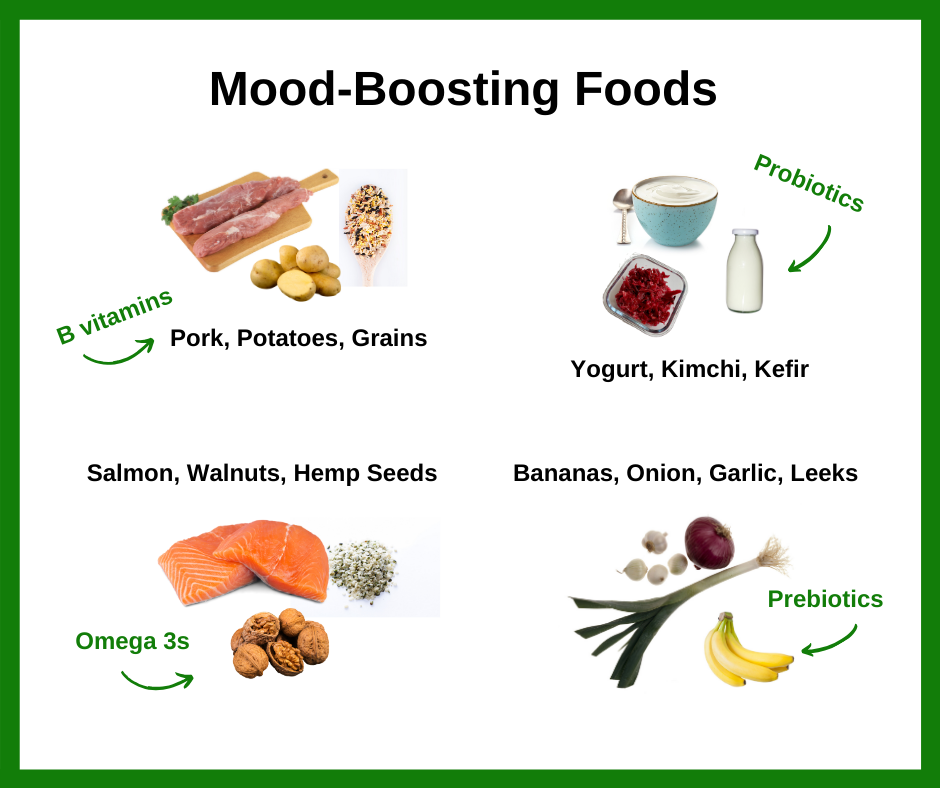
Final Thoughts: Emotions and Food Work Together
The connection between emotions and food is natural and powerful. When you understand this relationship, you gain the ability to respond to cravings with awareness instead of judgment. This allows you to choose foods that support emotional balance rather than reacting out of habit or stress.
When you nourish your body with clear intention, you also nourish your emotional world. Balanced meals, mindful eating, and emotionally aware food choices help you create stability, clarity, and long term wellbeing. Every meal becomes an opportunity to support both physical and emotional health.