
Junk & Processed Foods
Uncover the hidden impact of processed sugars, unhealthy oils, additives, and preservatives. Learn how these foods contribute to inflammation, metabolic imbalance, lifestyle diseases, and long term health concerns.
:max_bytes(150000):strip_icc():focal(745x161:747x163)/junk-food-addictive-102023-tout-b800b5c8c5c54e548e0ac651c29e0f2e.jpg)
Junk and processed foods have become deeply embedded in modern diets. Convenience, long shelf life, and strong flavours make them appealing, but these foods often lack essential nutrients while placing heavy stress on the body’s systems.
Regular consumption of highly processed foods disrupts digestion, weakens immunity, and promotes chronic inflammation. Over time, this internal imbalance increases the risk of obesity, diabetes, heart disease, hormonal disorders, and premature aging.
What Makes Junk and Processed Foods Harmful
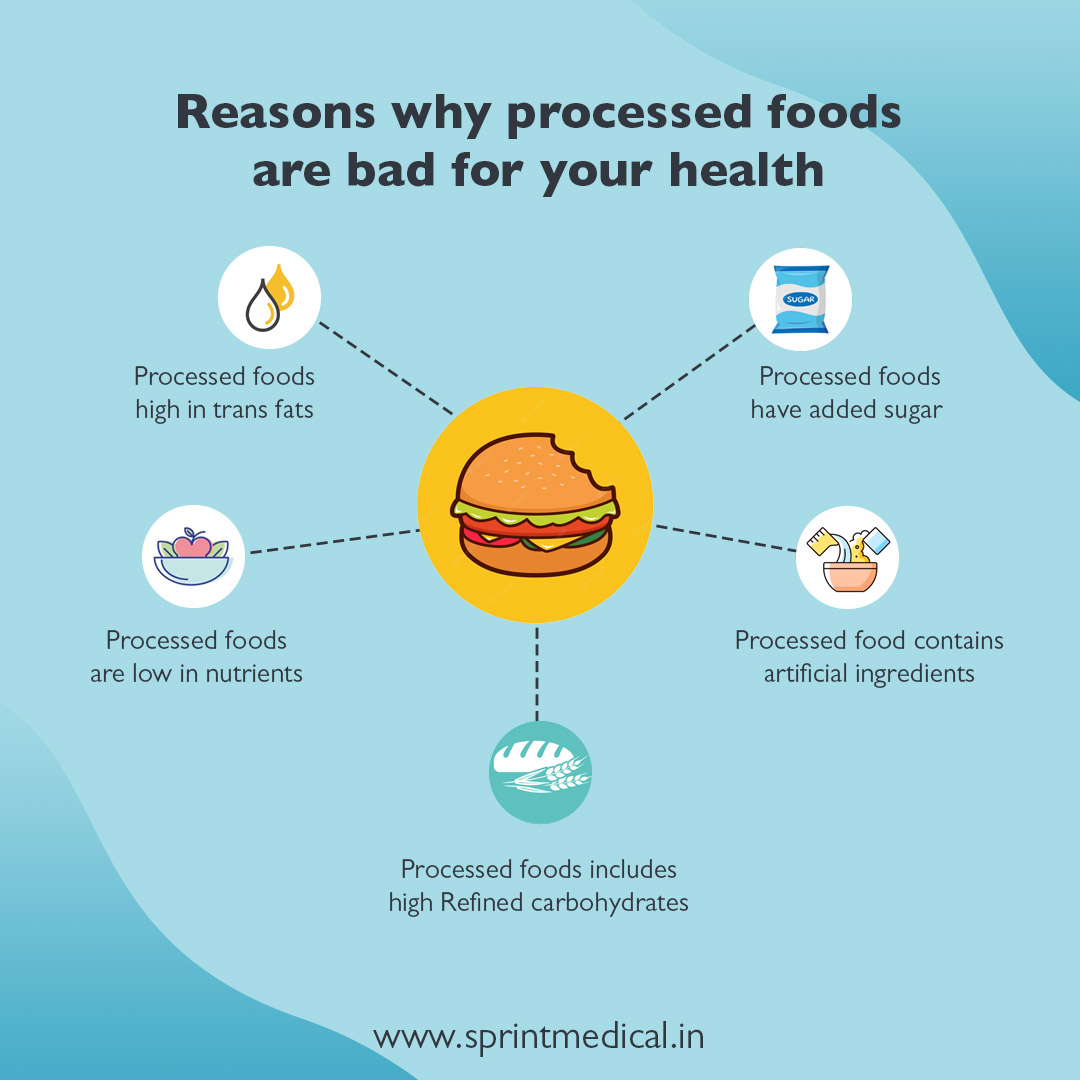
Processed foods are typically high in refined sugars, unhealthy fats, artificial additives, preservatives, and flavour enhancers. These ingredients overstimulate taste receptors, encourage overeating, and interfere with natural hunger signals.
The body struggles to process synthetic ingredients efficiently. This leads to toxin accumulation, liver overload, blood sugar instability, and increased inflammatory responses throughout the body.

Common Types of Junk and Processed Foods
Refined Sugars and Sweetened Products
Sugary snacks, soft drinks, desserts, and packaged sweets cause rapid blood sugar spikes followed by crashes. This pattern increases insulin resistance and raises the risk of diabetes and weight gain.
Excess sugar also fuels inflammation and weakens immune defence.
Refined Oils and Trans Fats
Processed oils and trans fats damage blood vessels, raise bad cholesterol, and increase the risk of heart disease. They also disturb hormone production and cellular health.
These fats offer calories without nourishment.
Packaged and Ultra Processed Foods
Instant meals, chips, fast food, and frozen snacks are loaded with preservatives and sodium. They burden the kidneys, disrupt digestion, and promote water retention and bloating.
Over time, these foods weaken metabolic efficiency.
Artificial Additives and Preservatives
Synthetic colours, flavours, and preservatives irritate the gut lining and may trigger headaches, allergies, and behavioural changes. They also increase toxic load within the body.
Long term exposure impacts hormonal and nervous system balance.
Long Term Health Impact of Processed Foods
Chronic inflammation driven by processed foods is linked to heart disease, arthritis, diabetes, digestive disorders, and autoimmune conditions. These foods accelerate cellular aging and impair the body’s natural repair mechanisms.
Hormonal imbalance, gut microbiome disruption, and weakened immunity are common consequences of a diet high in junk foods. Over time, the body loses its ability to regulate energy and maintain internal harmony.
Why Reducing Processed Foods Improves Health
Reducing junk and processed food intake allows the digestive system to recover and inflammation levels to decrease. The body begins to respond better to natural hunger signals and nutrient absorption improves.
Replacing processed foods with whole, natural ingredients supports better metabolism, improved energy levels, clearer skin, stable mood, and stronger immunity.
Final Thoughts: Choosing Awareness Over Convenience
Junk and processed foods may offer short term satisfaction, but their long term impact on health is significant. Awareness is the first step toward change. Understanding what goes into your food empowers healthier decisions.
By gradually reducing processed foods and choosing natural alternatives, you protect your body from silent damage and create a foundation for lasting health and wellbeing.
Leave a Reply