
Food Safety Kitchen Habits That Matter
A detailed exploration of the most common hygiene mistakes made in home kitchens, how they quietly increase health risks, and the simple practices that protect your body from unwanted germs, contamination, and preventable illness.
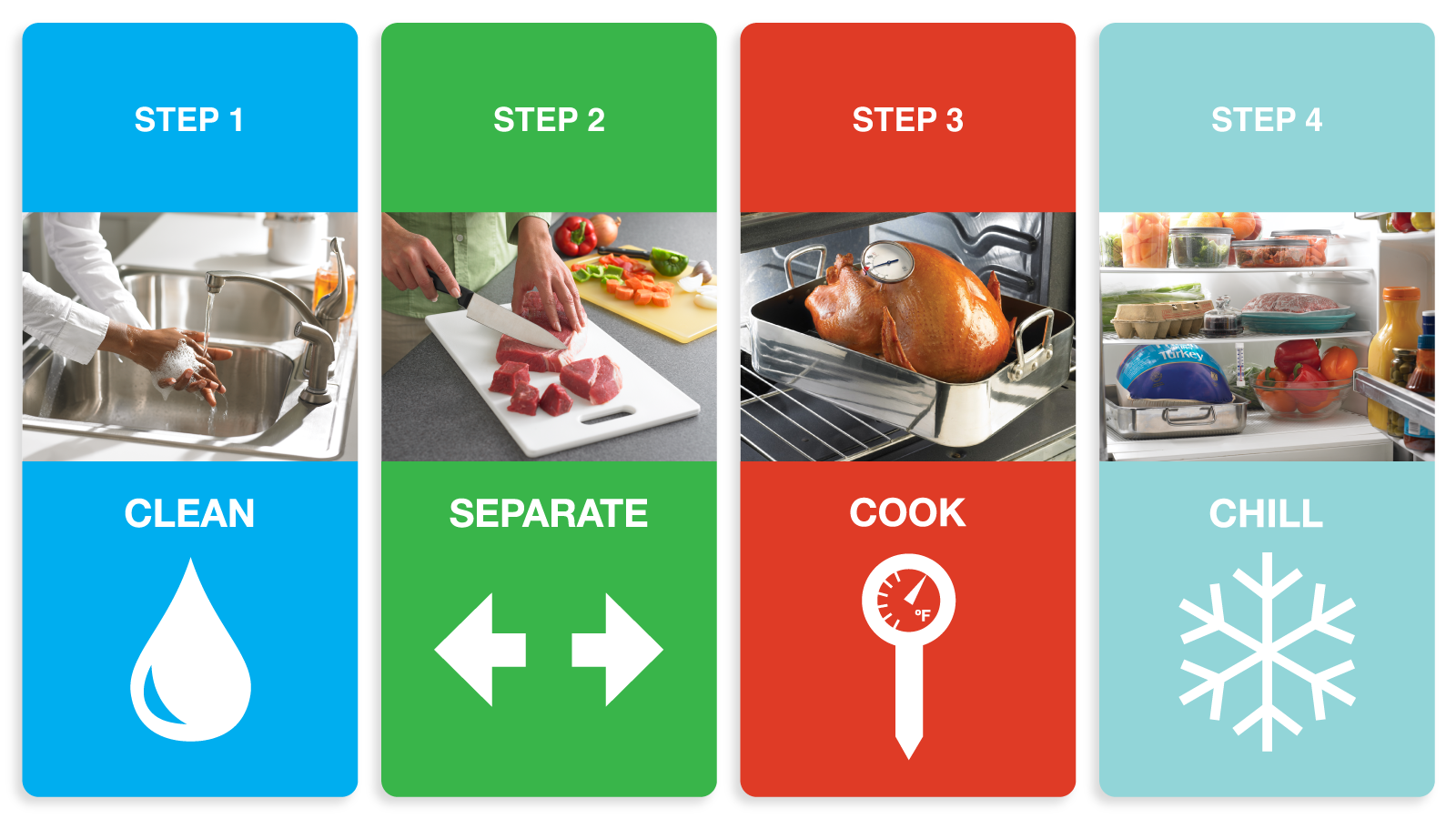
Many people believe food safety is mainly a concern for restaurants or commercial kitchens, but the truth is that a large number of food related illnesses actually begin at home. The everyday kitchen is often filled with unnoticed risks. Small mistakes such as careless washing, improper storage, and mixing raw ingredients with cooked meals create invisible contamination that can affect digestion, weaken immunity, and expose the body to harmful germs.
Good food safety is not complicated. It simply requires awareness, attention, and a willingness to keep the kitchen environment clean, organized, and free from risky habits. Ayurveda also emphasizes purity of preparation, stating that clean surroundings and calm intention during cooking influence both physical and emotional wellbeing.
Common Hygiene Mistakes That Happen at Home
Most issues in the kitchen arise from simple everyday actions. People often wash produce quickly without removing soil or residue, handle raw meat and then touch other foods, or leave cooked meals uncovered for a long time. These practices allow harmful microbes to travel easily across surfaces, leading to contamination that is not visible but still harmful.
Kitchen sponges, towels, and cutting boards are also common carriers of bacteria. When these items remain damp, they become perfect breeding grounds that spread germs across utensils, plates, and ingredients. Even the refrigerator can become unsafe if items are stored in the wrong sections or kept beyond recommended time periods.

Major Sources of Contamination
Cross Contamination
This is one of the most common issues in home kitchens. It happens when raw items touch cooked meals or ready to eat foods. It can also occur through knives, boards, or hands that move from one task to another without proper cleaning. Even small traces of raw residue can introduce harmful microbes into food.
Ayurveda states that purity of preparation keeps digestive fire strong and prevents unwanted reactions in the body.
Poor Washing Habits
Many ingredients reach the kitchen with soil, natural dust, or surface chemicals. Washing them quickly or skipping the process altogether allows these particles to enter the digestive system. Improper washing of hands is another major cause of contamination.
Clean handling ensures that meals support vitality instead of burdening the digestive system.
Incorrect Storage Practices
Storing cooked meals next to raw items, placing uncovered food in the refrigerator, or keeping leftovers for too long increases the growth of unwanted microbes. Temperature changes also affect safety. Warm food kept out for extended periods becomes a perfect environment for bacterial growth.
Ayurveda promotes freshness and timely consumption for maintaining strong health and clear energy.
Unclean Tools and Surfaces
Cutting boards, knives, towels, and sponges gather moisture and organic residue quickly. When not washed properly, they transfer germs to every item they touch. This is an invisible yet serious threat that affects meal safety and digestive comfort.
Clean tools support nourishment and protect the purity of the food being prepared.
How These Mistakes Affect Your Health
Contamination does not always produce immediate symptoms. Very often, it creates subtle digestive disturbances like bloating, heaviness, or discomfort after meals. Over time, repeated exposure weakens the immune system and increases sensitivity to certain foods. Some microbes can cause more serious reactions, including stomach infections and long term digestive imbalance.
The gut is central to both immunity and emotional stability. When harmful microbes are introduced regularly, the delicate balance of friendly bacteria becomes disturbed. This affects not only digestion but also mood, clarity of mind, and daily energy levels.
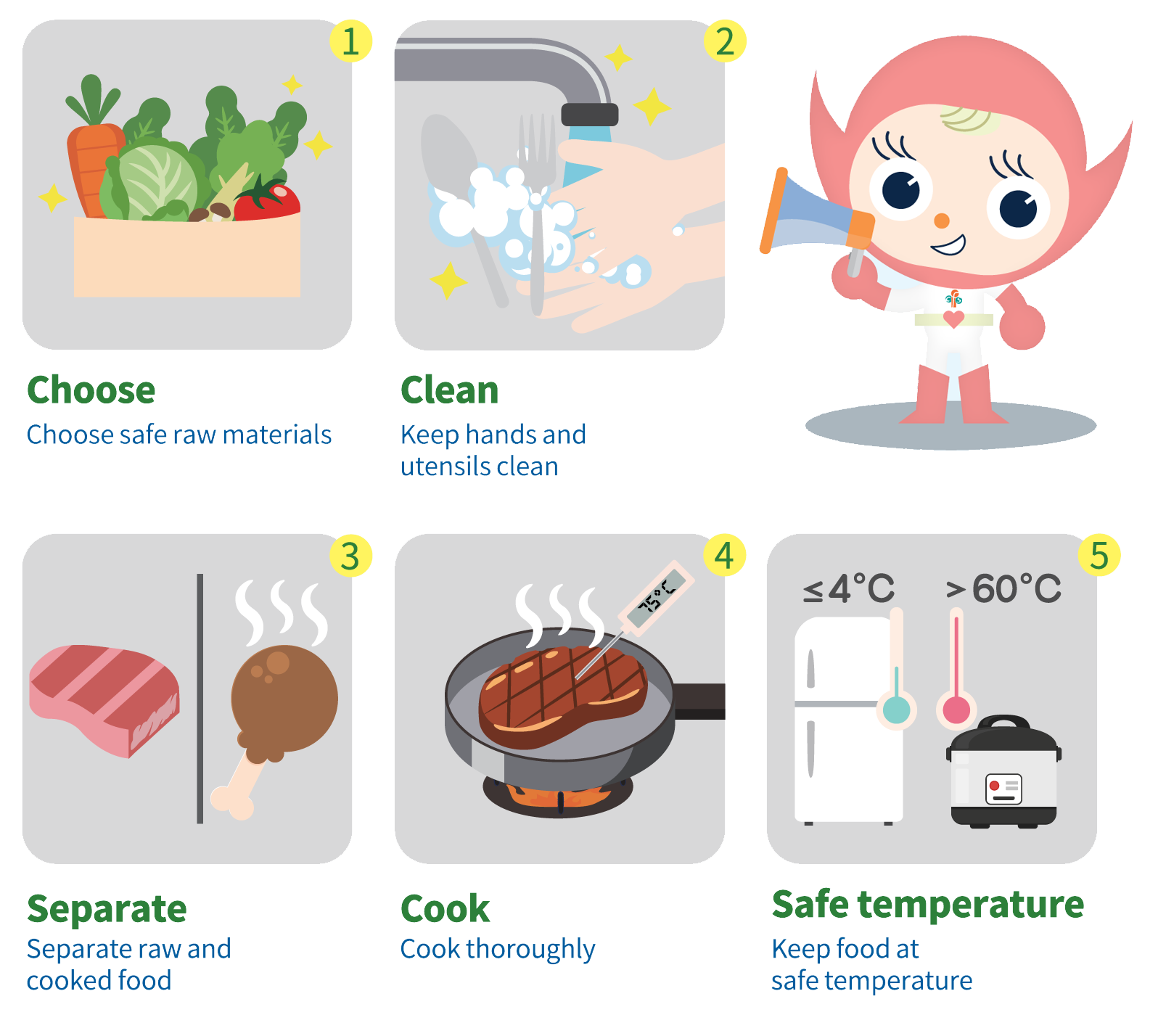
Ayurvedic Insight on Food Purity
Ayurveda emphasizes absolute purity in food preparation. Clean surroundings, fresh ingredients, and a calm emotional state during cooking are believed to influence the energy and digestibility of the meal. The concept of pure essence is central to nourishment, and this essence grows only when meals are handled with care and awareness.
Kitchen cleanliness is not just physical hygiene. It is also a reflection of inner clarity. Preparing food with attention and respect enhances its ability to support vitality, improve mental balance, and nourish the deeper tissues of the body.
Final Thoughts: Safety Begins with Small Daily Actions
Safe food habits are simple but powerful. By washing ingredients carefully, separating raw and cooked items, keeping tools clean, and storing meals properly, you build a strong foundation for daily health. These habits protect your digestion, support immunity, and reduce hidden risks that often go unnoticed.
Your kitchen is the heart of your wellbeing. When it remains clean, organized, and handled with care, it becomes a space that nourishes both body and mind. Each meal becomes an opportunity to protect your future health and strengthen your inner balance.