
Healthy vs Junk: What Happens Inside Your Body?
A deep scientific and Ayurvedic exploration of how whole foods support cellular health, metabolic stability, emotional balance, and long-term vitality, while junk foods create biological stress, inflammation, hormonal disturbances, and accelerated aging from the inside out.
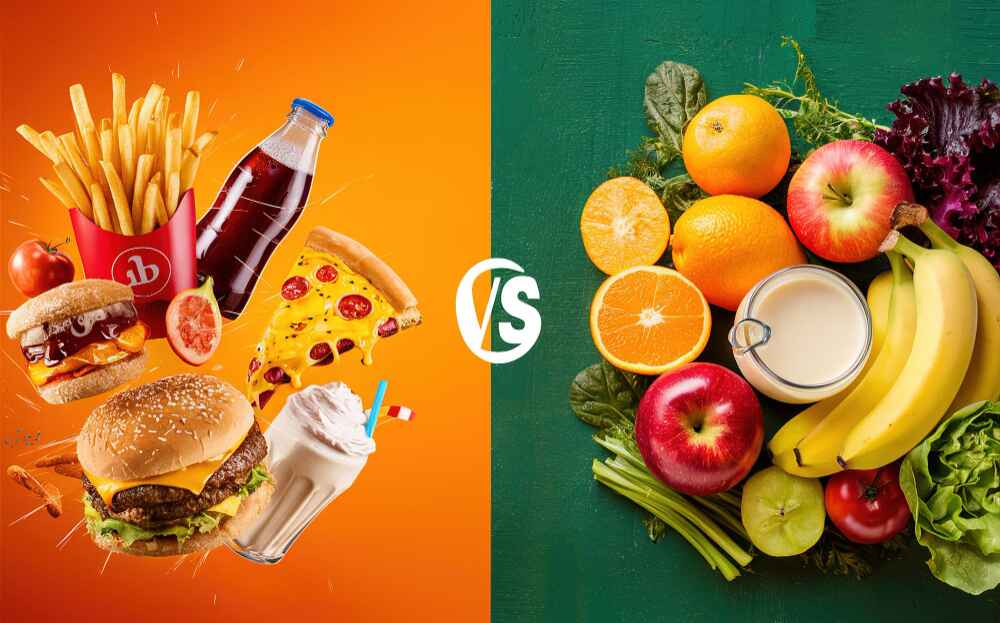
The moment food enters your mouth, your body begins a remarkably complex biological dialogue. Your saliva releases enzymes, your gut sends electrical signals to the brain, your hormones prepare to adjust, and trillions of microorganisms in your intestines begin evaluating what type of nutrients – or synthetic compounds – they are about to encounter. What you choose to eat does not just fill your stomach; it sets off an intricate chain of reactions through your bloodstream, tissues, organs, and even your mind.
Whole foods such as fruits, vegetables, grains, nuts, seeds, and traditional natural ingredients provide your cells with structured nutrition designed by nature. Their fibers, vitamins, minerals, phytonutrients, antioxidants, and enzymes interact with your biology in a supportive, restorative way. They keep the internal environment steady, clean, and energized. Junk foods, on the other hand, disrupt this equilibrium from the very first moment they enter your system. Their refined sugars, artificial additives, processed fats, and chemical preservatives create biological confusion and force your organs to overwork, often for years, without visible symptoms in the early stages.
This article examines what truly happens inside the body – not just in a superficial “healthy vs unhealthy” comparison, but at the deepest physiological, hormonal, digestive, neurological, and Ayurvedic level. This information is meant to help you understand that food is more than energy; it is a powerful, continuous form of internal communication.
What Happens Within Minutes of Eating?
As soon as food touches your tongue, the brain begins decoding its chemical profile. Natural foods send signals that align with what the human body has been biologically adapted to process for thousands of years. Unprocessed ingredients communicate in a way the digestive system immediately recognizes. Your saliva releases amylase to break down complex carbohydrates, your stomach prepares to release acidic juices, and your gut bacteria begin activating to handle natural fibers.
Junk foods however send mixed, distorted signals. The combination of synthetic flavors, refined sugars, artificial colors, and hydrogenated oils activate the taste receptors in an exaggerated way. Your brain interprets this intensity as a reward, even though the nutrients are absent. The digestive system becomes somewhat confused: it receives the signal of pleasure and stimulation but finds nothing inside the food that supports long-term digestion or nourishment.

Healthy Foods vs Junk Foods: The Deep Internal Difference
Although they may appear similar on the plate, healthy and junk foods travel through your body in entirely different ways. The nutrients in whole foods are structured and accompanied by natural cofactors that help your body absorb and utilize them. Junk foods contain isolated, refined, or artificial substances that do not interact naturally with human cells.
Whole, Natural Foods
Natural foods move through the digestive tract slowly, which allows glucose to enter the bloodstream at a steady rate. Their fibers feed the beneficial bacteria in the gut that regulate immunity, mood, hormonal stability, and detoxification. Their antioxidants neutralize free radicals before they can damage cells. Over time, these foods help maintain metabolic balance, reduce internal stress, and create a foundation for long-term vitality.
Ayurveda describes natural foods as possessing prana – the life force that energizes the body. This prana supports agni, the digestive fire, which is the core of physical health and mental clarity.
Processed and Junk Foods
Junk foods break down extremely fast. Their sugars enter the bloodstream abruptly, forcing the pancreas to release a large amount of insulin. Over years, this repeated cycle contributes to insulin resistance and metabolic disorders. Chemical additives irritate the intestinal lining, weaken the gut barrier, and can disrupt the microbiome. With fewer beneficial bacteria, your immunity and mood chemistry begin to decline.
In Ayurveda, junk foods are said to produce ama – a sticky, toxic residue created by weak or incomplete digestion. Ama accumulates in tissues and is considered the root cause of many chronic imbalances.
Inside Your Bloodstream
Once food is broken down into its smallest components – glucose, amino acids, fatty acids – these nutrients enter the bloodstream. Natural foods release glucose slowly. This allows your cells to take exactly what they need without overwhelming the pancreas. Your blood maintains a steady rhythm, your energy stays stable, and your mental focus remains clear.
Junk foods behave differently. Because they are stripped of natural fibers and structure, they rapidly release large amounts of glucose into the bloodstream. The pancreas responds by releasing an equally large amount of insulin, pushing the sugar into cells faster than necessary. This sudden drop leads to fatigue, cravings, irritability, and sometimes anxiety. Over many years, the cells stop responding properly to insulin, leading to insulin resistance.

From an Ayurvedic perspective, sudden blood sugar fluctuations disturb vata and pitta doshas, leading to unstable energy, mood swings, and increased internal heat. Natural foods keep doshas grounded and steady, supporting both mind and body.
How Your Brain Reacts
The brain is one of the most sensitive organs when it comes to food. It relies heavily on steady glucose availability, neurotransmitter balance, and a stable gut-brain axis. Healthy foods supply amino acids that help produce serotonin, dopamine, and GABA – neurotransmitters responsible for calmness, motivation, emotional clarity, and resilience. Their antioxidants reduce neuronal inflammation, protecting the brain from long-term cognitive decline.
Junk foods overstimulate the brain’s reward center. When you consume highly processed foods, the brain releases a large amount of dopamine, creating a temporary pleasure rush. This is why junk foods feel satisfying in the moment but leave you feeling drained afterward. Over time, the brain becomes less responsive, requiring more stimulation to feel the same reward – a pattern similar to addictive behavior.
Ayurveda teaches that overly stimulating foods aggravate rajas – the quality associated with restlessness, irritability, craving, and emotional instability. Natural foods promote sattva, which represents clarity, peace, balance, and long-term mental harmony.
The Silent Inflammation Effect
Chronic inflammation is one of the most damaging effects of long-term junk food consumption. Many processed foods contain compounds that the immune system sees as foreign: artificial preservatives, synthetic dyes, emulsifiers, and certain types of processed fats. The body responds by activating inflammatory pathways, initially as a protective response. But when this happens daily, the inflammation becomes chronic.
This inflammation slowly affects multiple systems. Blood vessels become less flexible, increasing strain on the heart. Hormonal balance becomes disrupted, especially in relation to stress hormones, reproductive hormones, and appetite regulators. The joints become more vulnerable to pain, swelling, or stiffness. The digestive tract becomes more reactive, leading to acidity, bloating, or irregular bowel movements.
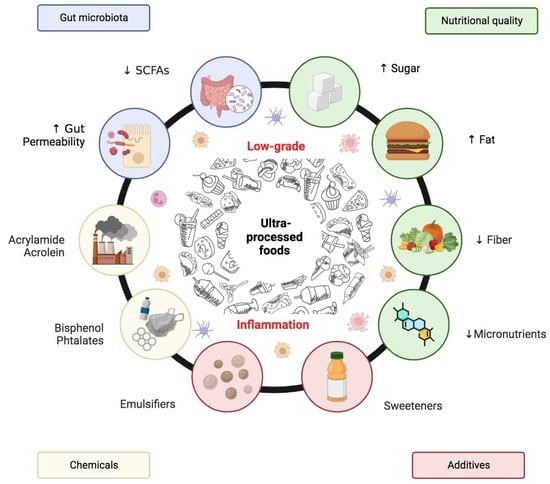
Ayurveda describes chronic inflammation as a buildup of heat and ama in the tissues. This combination blocks natural energy flow, weakens cellular resilience, and accelerates the aging process. Clean, natural foods help flush out ama and reduce this heat, restoring balance at a cellular level.
Long-Term Impact on Your Health
Over the course of months or years, the difference between a diet dominated by whole foods and one dominated by junk foods becomes profound. Natural foods provide slow nourishment to tissues, strengthen the immune system, improve metabolic flexibility, support healthy aging, and promote stable emotional wellbeing. Their nutrients integrate into cells in a way that helps the body regenerate.
Junk foods gradually undermine this regeneration process. Cells exposed to high levels of inflammation, unstable glucose patterns, and chemical additives do not repair efficiently. The mitochondria – your cell’s energy factories – begin to function inconsistently, reducing stamina and vitality. Skin elasticity declines faster. The gut becomes more reactive, and nutrient absorption weakens. Hormones shift out of balance. Over time, these effects manifest as chronic disease.
Final Thoughts: Your Body Is Always Listening
Food is not just fuel; it is a daily source of biological information. Every meal shapes your blood, your thoughts, your mood, your energy, and even the health of future cells. Natural foods work with your body, bringing clarity, stability, and nourishment. Junk foods work against it, creating friction, imbalance, and internal stress. The difference becomes more visible with each passing year.
When you choose real food, you are choosing a healthier brain, a stronger gut, smoother digestion, clearer skin, calmer emotions, and a body that ages gracefully. Each bite is a conversation with your biology – and you have the power to decide what kind of conversation it will be.